Tui tea time

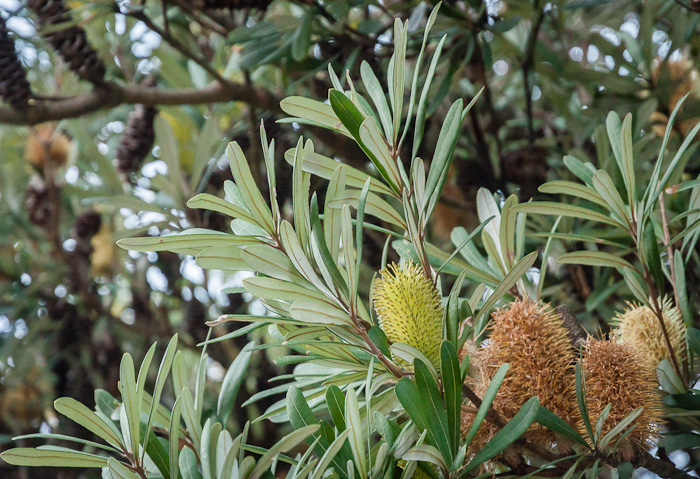
Late winter, late in the day, and the bell-like tones, chuckles, whistles and clicks of tui song were to be heard.  Up high in some trees (specifically Banksia integrifolia, an Australian native also known as Coastal banksia) several tui were busily feeding, singing and playing - swooping from tree to tree, down to the ground then up to another golden flower spike.
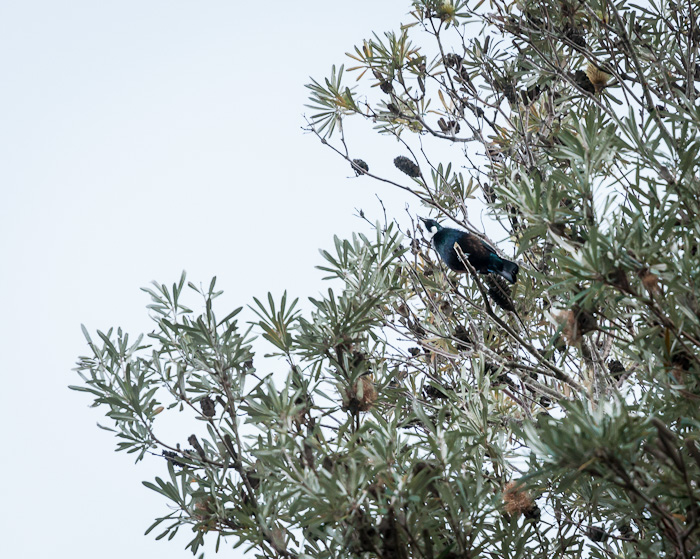
Even though the light was low, and my poor camera struggles in such conditions, I had to snap away...
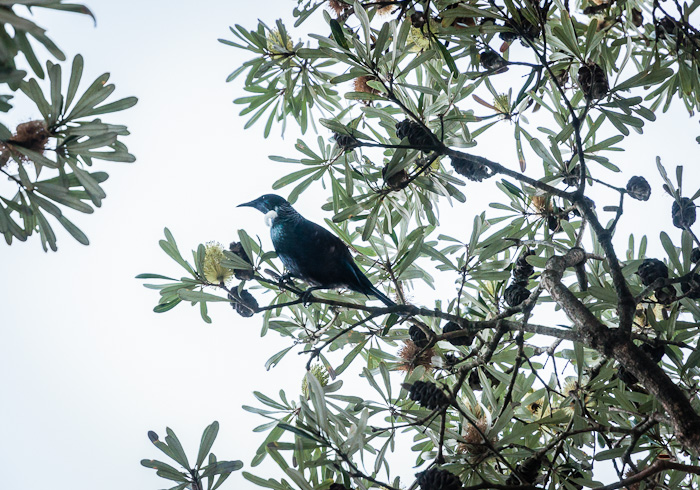
And even though I have had to crop these images furiously to get anything like a close-up, here goes...
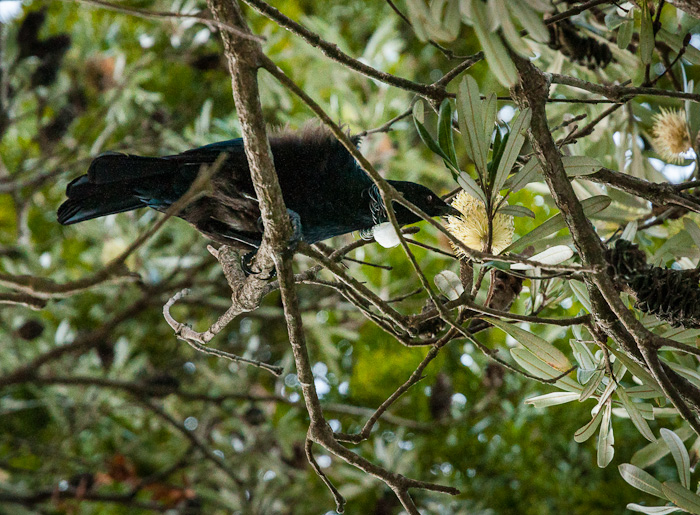
The flower spikes consist of numerous flowers.  As they age they change from a greeny yellow to a golden colour, then brown as they fade.  Their nectar is a good late-winter food source for the tui before the kowhai and flax start flowering.  The slender silver-backed leaves are elegant and wind-hardy.
The tui are agile, perching and contorting to get their long beaks into the flowers.
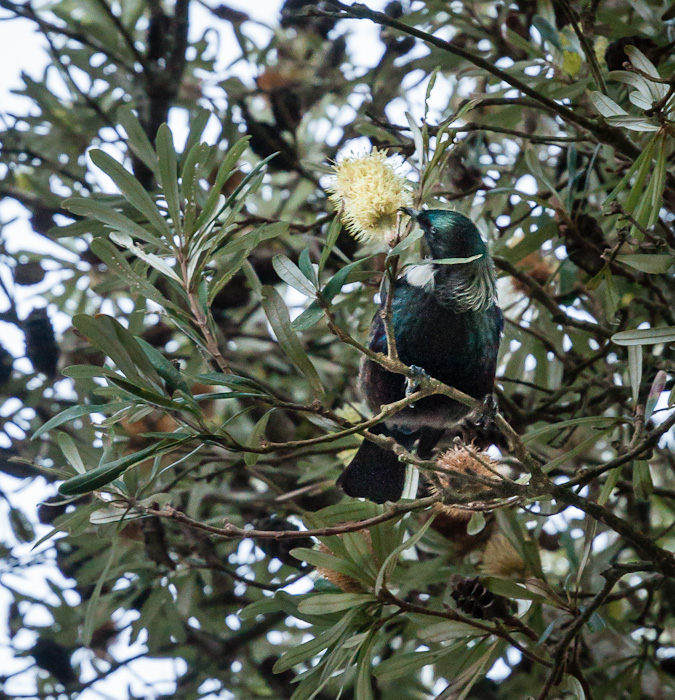
Although they look black, the feathers have a blue-green iridescent sheen which glows when it catches the light.  This unexpected colour, the collar of white tendrils around the neck, and the comical white neck tuft that bobs a bit like an "adam's apple" make the tui a distinctive sight. 

But what is this one doing in the gutter?  Tui can appear drunk on fermented flax nectar, and this bird was being pretty bold - but not intoxicated, just thirsty and letting me see its wonderful plumage.
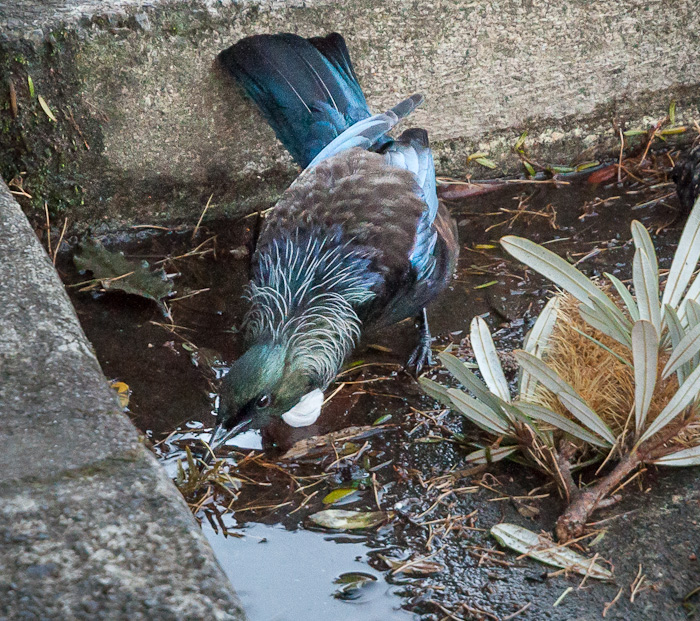
I had a lot of fun.  Sorry that the images are not of great quality, but I hope you get some idea of the pleasure of watching these birds in action.

Pale shadows of their former selves - skeletons and shredded leaves

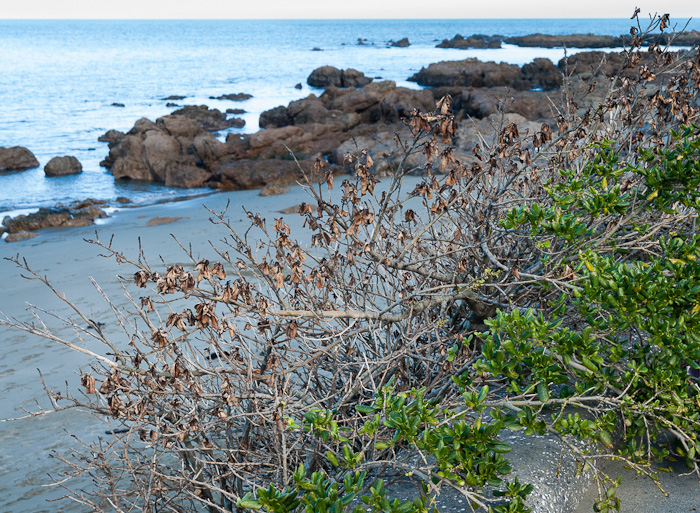
Along Wellington's south coast the damage from the severe storm becomes more evident as time passes.  On the beach at Tarakena Bay the bent and skeletal looking remains of a taupata (Coprosma repens), festooned by dead seaweed and pale fibres from a grass or flax, reminds me of the ferocious winds and high seas.  Amazingly there are a few tiny new green buds on this denuded shrub.

Since the storm legions of ghostly mounded shrub shapes seem to have taken over on the exposed hills.  Above this beach is Rangitatau Reserve.  It is named after a Ngai Tara pa (a Maori settlement, usually a fortified hillside one) that was on a headland, with another, Poito Pa, below it on a spur in the valley.  There are tracks up the hillside, towards the pa sites.  A little way up, I was able to see that the ghostly mounds were mostly mahoe - Melicytus ramiflorus, appropriately also called whitey-wood.  It is a NZ native, a shrub or small tree with pretty bright green leaves - sadly missed at present.

This is a windswept site and from the pattern of damage you get a sense of the salty gales being funneled up the valley.  The pale skeletons of the mahoe contrast with subdued greens and browns - less-damaged taupata (Coprosma repens), bracken, and other shrubs, and the wind-shredded strappy leaves of Cordylines and NZ flax.  Although it was a grey and windy day, and although it looks quite bleak, I know that in a few months life will be springing back.  But will the mahoe?  Watch this space! 

Raindrops on silver lace - Tanacetum ptarmiciflorum

A bright display of glistening silvery tracery - the leaves of Tanacetum ptarmiciflorum give this perennial shrub the names "silver lace bush" and "silver feathers".  They look lovely all year but are particularly bright and welcome on dull days in winter, and are enhanced further by raindrops.

Also known as Canary Island tansy, it is an endangered plant there.  The area where it is found is only 4 square kilometers in size.  There are many special plants from the Canary Islands in similar peril - dwindling populations of mature plants growing in increasingly disrupted habitat. 

Although rare in the wild, where it grows in pine forests and on cliffs and rock faces, it has been quite popular as a bedding plant where it enjoys much more coddling.  But it is quite tough.  The white hairs on the leaves and stems help it to cope with wind and drought and thus survive in my garden. 

My plant is about five years old and had become quite overgrown and woody, so I pruned it quite hard after it flowered in summer - small white daisy-like flowers, possibly the reason for the name (ptarmic means "substance which causes sneezing") although they don't get me sneezing.  Obviously plenty of seeds were produced as I have been delighted to find little seedlings popping up in the last few weeks.  And there is a lot of fresh new growth - altogether lots of silver to be had!

Calm interlude

Wellington is known, even  notorious, for its powerful winds.  But we also have beautiful calm interludes - sometimes a day or more, sometimes just an hour or so - while the wind changes.  And then, as we like to say, there is nothing like Wellington on a good day.

A day or two ago it was one of these days - a sunny winter morning when all was calm.  Looking across from Island Bay (the island is just out of sight) we can see Baring Head and soft clouds still hanging around the Orongorongos.  The bright canary yellow sails of a little becalmed yacht caught my eye.

At Baring Head there is an atmospheric monitoring station.  The air arriving there comes from the Southern Ocean and has not been over land for about a week, so measurements taken there are not skewed by nearby human activities.  Since 1970 CO2 monitoring at Baring Head has provided the longest running continuous record in the Southern Hemisphere.  Unfortunately it shows a steep rise in CO2 levels, in keeping with global trends.

So, not all is well.  But I found this study in blue (with a dash of yellow) to be a very calming sight, and an invitation to be at peace with the environment around us.

Big storm damage - even the taupata

The severe southerly storm on 21 June hit Wellington's south coast pretty hard.  This video taken by a photographer from NIWA (the National Institute of Water and Atmospheric Research) gives some idea of what it was like.

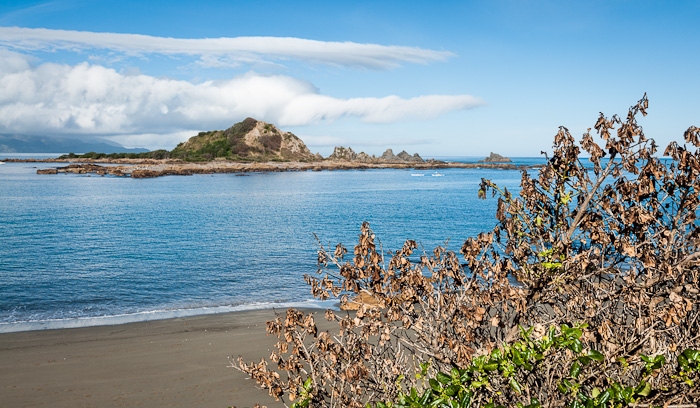
Usually time passes and evidence of storms fades quite quickly.   But this time it isn't like that.  The glossy green leaves of taupata (Coprosma repens) are tough and resilient to salt and wind.  Taupata plants grow happily down on the seawall and along the coast, their rich green most attractive on bleak winter days.  But on a sunny day, weeks after the storm, there wasn't quite so much of the green...

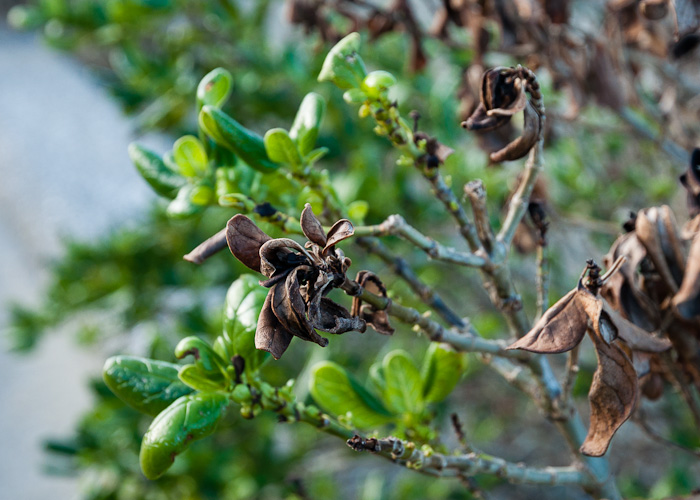
I have never seen so much leaf damage on taupata before.

The shrivelled brown dead leaves contrast with the live leaves - still glossy and green, but also somewhat shrivelled and battered compared to their usual perky selves.

The parts of the bushes most exposed to the salt-laden gales look dead, the parts that got a bit of shelter held on to life.  You can see the direction of the wind in this pattern of death, not just at the coast but far inland.  Even the tough plants on the island show the changes...

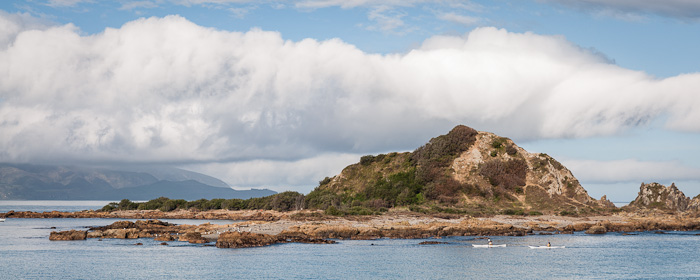
Vegetation on Taputeranga - browning and areas of death, with a bit more green where there was shelter from the gales.  A peaceful sunny day when two kayakers can enjoy the water.  But to me the damage is a reminder.  Let's think about global climate change and the more dramatic weather events it is bringing and how our future is worth more than the laggardly action/inaction that our leaders are showing. 

Not from Iceland - a glowing poppy

In the late afternoon, a pretty soft orange Iceland poppy flower lights up a dark corner.

The crinkled tissue-like petals and the dramatic boss of stamens with golden anthers are emphasised by the side lighting, and the flower has a lovely delicate glow.  But Iceland poppies (Papaver nudicaule) are quite tough.  They come from subarctic regions of Europe, Asia, and North America...and true to the oddities of horticultural naming habits they do not from come from Iceland. 

I have been noticing the lasting damage caused by the severe storm many weeks ago - more about this to come - so the glimpse of this little jewel was a most welcome sight.

Lilies from A to Z

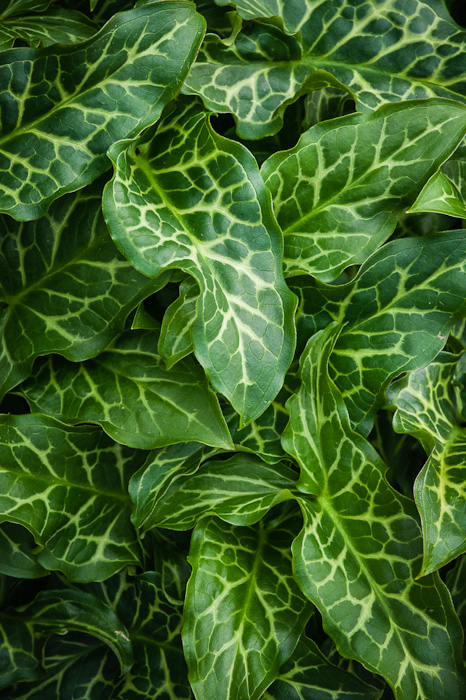
Actually only two different lilies, found in the Bolton Street Memorial Park growing beside graves from the colonial era.  A is for Arum italicum, I presume brought here by English settlers who were used to growing it in gardens as a woodland or shade plant - it provides winter interest in places where much is bare at that time.

Here in New Zealand it is categorised as a pest plant - in autumn it produces crops of brilliant red berries which are poisonous to people but palatable and tolerable to birds - like the also imported blackbird - which spread it around.

This dense clump made an attractive weed-suppressing carpet of the rich green arrowhead-shaped leaves with their distinctive creamy markings.

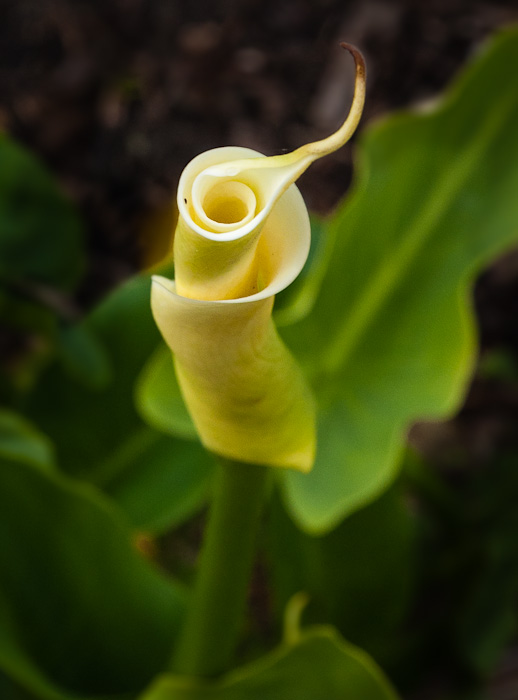
Z is for Zantedeschia aethiopica.  Confusingly it is called the arum lily - so this is a full alphabetical circle.

Also an introduction, it is often found in damp areas on pastureland, wasteland, where settlements once were, and in cemeteries - as this one was.

This close-up of a bud shows the unfurling shape of the spathe which appears almost a yellowy cream at first but opens to the familiar white flower (in botanical terms strictly not a flower, the white spathe curls around the central yellow spadix, which has a grouping of tiny true flowers.) 

Although strikingly elegant in flower and prized elsewhere as a garden plant, here it is also a pest, and for many people strongly associated with death.

Maybe it could be seen as a sinister beauty, but caught in the winter light I see only the gorgeous swirl, and fresh life here amidst memorials to people and times past.

Cloud pattern lichens

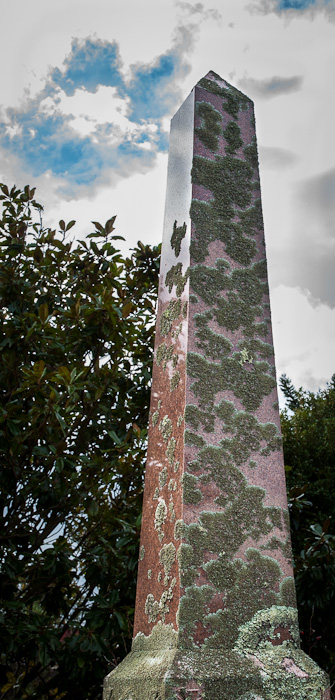
Clouds on an obelisk in the Bolton Street Memorial Park - or that's what it looked like to me.

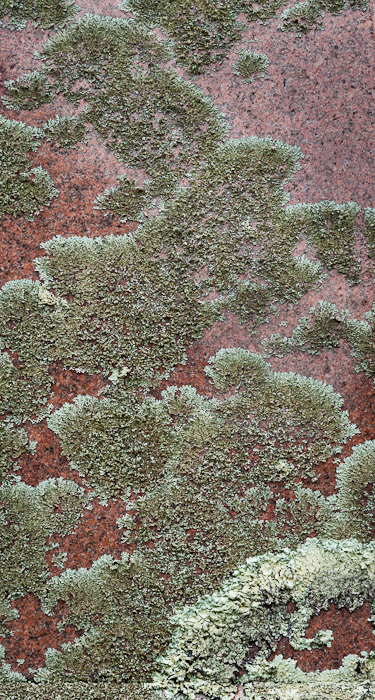
Towards the top were reflections of the cloudy sky on the shiny stone surface.  Over the rest of the obelisk the lichen encrustation reminded me of Japanese cloud patterns - the shapes seen on fabrics, prints, and in the pruning of shrubs and trees.

Lichens are a wonderful example of the power of cooperation.  A fungus and an organism capable of photosynthesis, generally a green alga or a cyanobacterium, work together in a symbiotic relationship to form a distinct new organism.  They are able to grow in very inhospitable environments, coping with extremes of hot and cold - in the arctic, in deserts, on rocks, metals, human made structures, on plants and on soil. 

Despite this versatility and toughness, they tend to be vulnerable to environmental disturbance.  So some can be used as indicators of air pollution, ozone depletion, metal contamination and so on. 

Not quite like the canary in the mine, but sort of.

The air in Wellington is of good quality, and there are a lot of lichens growing on the old stone memorials from the colonial cemetery which is incorporated in the Park.

Do you see clouds?  Or maybe bushes?

The wonderful textures and tenacity of lichens.

Little white forget me nots - and earthquakes.

Wellington is a known earthquake hot spot - we are located in a "collision zone" between two of the Earth's great tectonic plates.  The Wellington Fault is a major fault line going right through the city, and there are many smaller fault lines too.  Earthquakes are a regular occurrence but I usually don't feel them.  Not so this weekend.  On Friday things got started with a 5.7 earthquake, and we were surprised by an even bigger one - 6.5 - just after 5 pm today, Sunday.  There have been lots and lots of significant aftershocks keeping us rattled, not letting us forget that the Earth is ever-changing and that the apparently solid ground is subject to strain and movement. 

Another forget me not that I have experienced in recent days I find much more agreeable - a little white flower quietly shining in a dry scree garden of alpine plants at Otari.

There are a number of little low growing white flowered native forget me nots (Myosotis) of similar appearance with their delicate flowers and bright green leaves.  These ones, nestled amidst other low growing alpine plants and in the shelter of grasses, Carex species, glow in the late afternoon light.

Such subtle beauty - a most acceptable contrast to the rumbles and shakes that currently distract me.  

There are reports of some damage to buildings, but no injuries to people.  We are lucky.  We will just have to get used to shudders and shakes for a while - no forgetting about earthquakes yet.

Textures and light at Otari

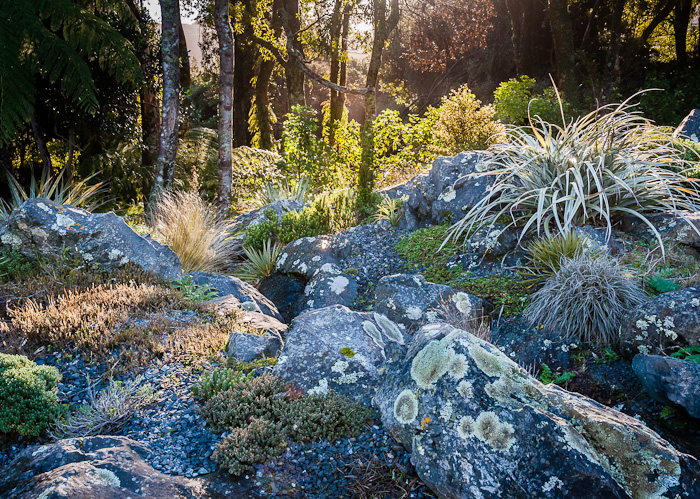
The storms have subsided and the sun is back in evidence (I know, I know, it didn't really go away - it just felt like that).  In the late afternoon the wintery sunlight was lighting up parts of Otari Native Botanic Garden, emphasising the wonderful plant shapes and textures of some of the plants growing there.

Looking across the lichen encrusted rocks of the alpine garden, the dappled light playing on the low growing alpine plants and the grasses and Astelia.  Behind them, and opened up by some tree loss from the storm, the backlit trees, shrubs and ferns bordering the fernery area. 

And some of the shapes and textures of New Zealand native plants are, frankly, a bit weird...

The spiny shapes and the jagged edged textures of Pseudopanax ferox - the so-called fierce pseudopanax.  These are the juvenile forms, but they don't get much more conventionally tree-like when mature.  Just a clump of these jaggedy leaves atop a skinny trunk.

Despite the ferocious name, they have a rather comical appearance I think - in any case, I had lots of fun trying to get an image that showed their wonderful weirdness.